Diabetic Foot Treatment in Mumbai
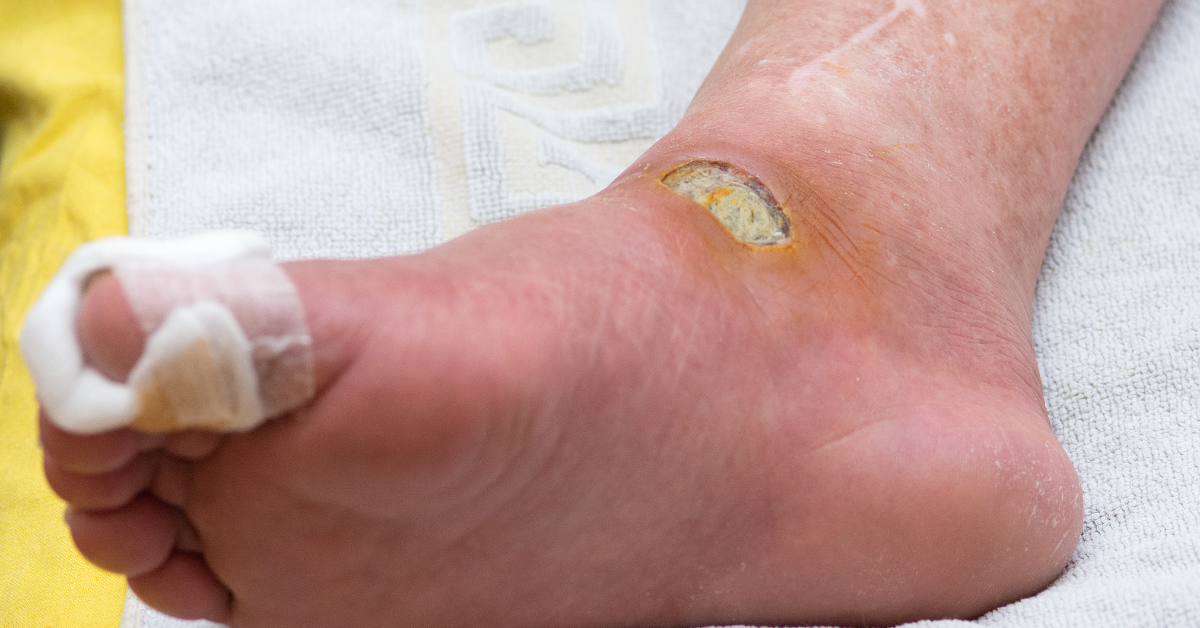
Diabetes can affect the nerves and blood vessels in the feet, making it difficult to notice injuries and slowing the body's ability to heal wounds. A small cut, blister, callus or pressure injury can sometimes progress into a chronic ulcer, infection or tissue loss if it is not treated promptly.
Diabetic foot treatment focuses on identifying the cause of the wound, controlling infection, protecting the affected area and supporting healing. Depending on the condition of the foot, treatment may include wound care, debridement, pressure relief, infection management, vascular assessment, skin grafting or reconstructive flap surgery.
At The Plastic Surgeons, Dr. Vinay Jacob provides reconstructive expertise for complex wounds where tissue coverage or limb-preservation surgery may be required. Treatment is individualised according to the wound, circulation, infection, tissue loss and overall health of the patient.
Recent content published by The Plastic Surgeons also highlights that diabetic neuropathy can make wounds painless and that changes such as redness, swelling, drainage, dark tissue or a non-healing wound should prompt medical assessment.
What Is Diabetic Foot?
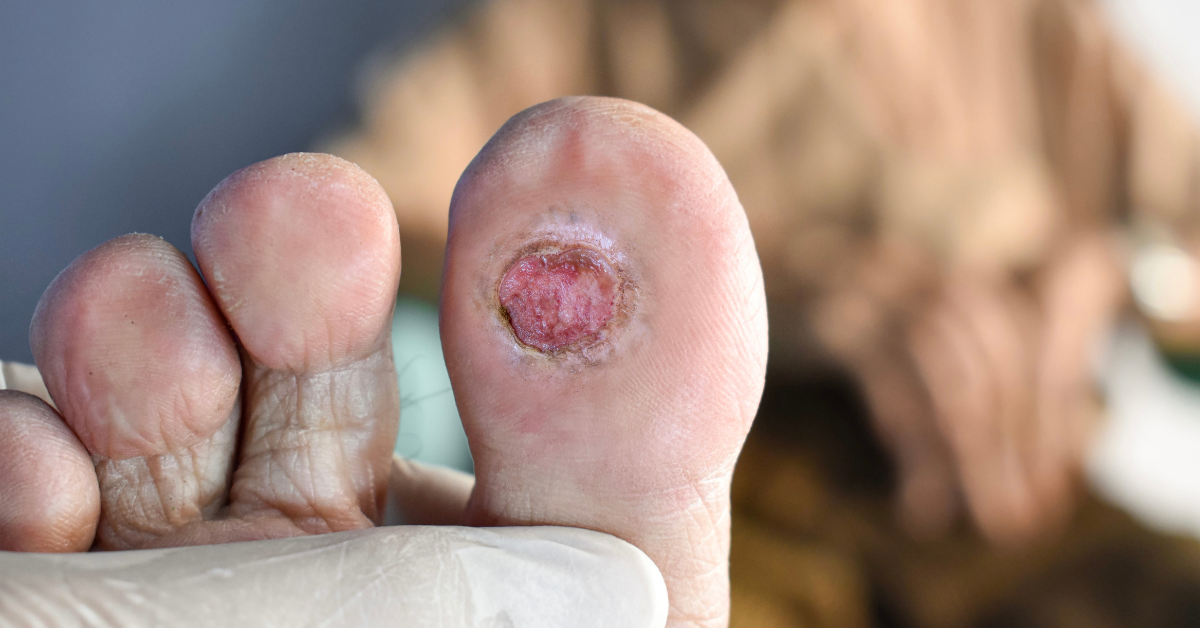
Diabetic foot refers to a range of foot problems that can occur in people with diabetes. These may include ulcers, infections, nerve damage, poor circulation, tissue loss and changes in the structure of the foot.
Two important complications are diabetic neuropathy and reduced blood circulation. Neuropathy can reduce sensation, meaning an injury may go unnoticed. Reduced circulation can make it more difficult for wounds to heal.
A diabetic foot ulcer may begin with something as minor as a blister, crack, callus or cut. Repeated pressure on the affected area can worsen the wound. If infection develops, it can spread into deeper tissues and, in severe cases, threaten the limb.
Early assessment is therefore important, particularly when a wound is not healing or there are signs of infection.
What Causes Diabetic Foot Problems?
Peripheral Neuropathy: Diabetes-related nerve damage can reduce sensation in the feet. As a result, cuts, burns, blisters or pressure injuries may go unnoticed.
Poor Circulation: Reduced blood flow can affect the delivery of oxygen and nutrients required for wound healing. Poor circulation can also increase the risk of tissue damage.
Repeated Pressure: Walking on a wound, wearing poorly fitting footwear or having abnormal pressure points can contribute to ulcer formation and delay healing.
Minor Foot Injuries: Small cuts, blisters, cracks or burns can become more serious when they occur in a person with diabetes.
Foot Deformities: Changes in foot shape can create areas of increased pressure and contribute to recurrent ulcers.
Previous Foot Ulcers: Patients who have previously developed diabetic foot ulcers may have a higher risk of developing another wound.
Infection: An existing wound can become infected and may progress to deeper tissue involvement if not appropriately treated.
The site's recent diabetic-foot educational content similarly identifies reduced sensation, poor circulation, repeated pressure and elevated blood glucose as important contributors to diabetic foot ulcers.
Common Diabetic Foot Problems
Diabetic Foot Ulcers
A diabetic foot ulcer is an open wound that commonly develops on pressure-bearing areas of the foot. It may begin with a blister, callus, crack or small cut.
Because neuropathy can reduce pain sensation, the severity of the wound may not always be obvious to the patient.
Diabetic Foot Infection
A diabetic foot wound can become infected, particularly when the skin barrier is broken.
Signs may include:
- Increasing redness
- Warmth
- Swelling
- Drainage or pus
- Unpleasant odour
- Increasing tissue damage
- Fever or feeling unwell
A suspected infection requires prompt medical assessment.
Non-Healing Diabetic Foot Wounds
Some diabetic foot wounds remain open despite routine wound care. Persistent wounds require assessment for factors such as infection, pressure, neuropathy, poor circulation and tissue loss.
Gangrene and Tissue Loss
Severe infection or inadequate blood supply can cause tissue death. Dark or black tissue should be treated as an urgent warning sign and requires immediate medical evaluation.
Recurrent Diabetic Foot Ulcers
An ulcer may return if the underlying cause is not addressed. Pressure, neuropathy, foot deformity and inappropriate footwear can all contribute to recurrence.
Long-term foot care and regular monitoring are therefore important even after a wound has healed.
Ready to Start Your Journey?
A consultation allows the condition of your foot and wound to be assessed before a treatment plan is recommended.
Understand Your Condition: Dr. Vinay Jacob reviews your wound history, symptoms, previous treatment and relevant medical conditions.
Assess the Wound: The wound is assessed for its location, size, depth, tissue condition and signs of infection.
Evaluate Healing Factors: Important factors such as sensation, circulation, pressure points and overall health may need to be considered.
Discuss Treatment Options: Depending on the findings, treatment may involve wound care, debridement, pressure relief, infection management or reconstructive surgery.
Develop an Individualised Plan: A personalised treatment plan is created based on the severity of the wound and the patient's overall condition.
How Is Diabetic Foot Treated?
Treatment depends on the severity and cause of the wound. Not every diabetic foot problem requires surgery.
Wound Care and Dressings
Appropriate wound cleaning, dressing and
monitoring can help protect the wound and create a suitable environment for healing.
Debridement
Debridement involves removing dead, damaged or infected
tissue from the wound. This can help prepare the wound for further healing or reconstruction
when appropriate.
Pressure Relief
Reducing pressure on an ulcer is an important part of
treatment. Appropriate footwear, offloading devices or activity modification may be
recommended depending on the wound.
Infection Management
When infection is present, it needs prompt
assessment and appropriate treatment. More severe infections may require surgical
intervention.
Skin Grafting
Some wounds may be suitable for skin grafting after the
wound has been appropriately prepared and there is sufficient healthy tissue to support graft
healing.
Flap Reconstruction
Complex wounds with significant tissue loss may
require flap reconstruction. Flaps use healthy tissue from another part of the body to
provide coverage over a difficult wound.
Microsurgical Reconstruction
Selected complex wounds may require
microsurgical techniques to transfer tissue and establish blood supply to the reconstructed
area.
Limb-Salvage Reconstruction
In suitable cases, reconstructive surgery can
form part of a limb-preservation strategy by providing durable coverage after infection or
tissue loss has been addressed.
The goal is not simply to close the wound but to achieve durable healing while preserving as much useful foot and limb function as possible.
TPS' Recommendation
Diabetic foot wounds should not be treated as routine wounds because diabetes can affect sensation, circulation and the body's ability to heal.
Dr. Vinay Jacob recommends that complex or non-healing wounds undergo appropriate assessment before reconstructive treatment is considered.
Depending on the individual case, management may involve wound care, debridement, pressure relief, infection control, vascular assessment and reconstructive techniques such as skin grafts or flap surgery.
For complex diabetic foot wounds, reconstructive treatment may form part of a multidisciplinary approach, particularly when vascular, infectious or metabolic factors also need to be addressed.
The objective is to promote wound healing, preserve useful function and, where clinically possible, help preserve the affected limb.
The Plastic Surgeons' recent diabetic-foot articles specifically describe Dr. Vinay Jacob's microsurgery and lower-limb reconstruction experience as relevant when diabetic foot wounds require complex tissue coverage or limb-preservation reconstruction.
Aftercare Following Diabetic Foot Treatment
Proper aftercare is an important part of wound healing and prevention of recurrence.
Follow Wound-Care Instructions: Keep the wound clean and follow the dressing schedule provided by your treating team.
Protect the Foot: Avoid unnecessary pressure on the treated area and use prescribed footwear or offloading devices when recommended.
Monitor the Foot: Check the foot regularly for:
- Redness
- Swelling
- New wounds
- Drainage
- Colour changes
- Skin breakdown
Maintain Diabetes Care: Continue following your diabetes-management plan and attend appointments with your treating physician.
Attend Follow-Up Appointments: Regular follow-up allows wound healing and any reconstructive procedure to be monitored.
Avoid Walking Barefoot: Protecting the feet from cuts, burns and pressure injuries is particularly important when sensation is reduced.
The site's current diabetic-foot guidance also recommends daily inspection and warns against walking barefoot or attempting to remove corns/calluses yourself.
Potential Benefits of Diabetic Foot Treatment
Depending on the underlying condition, appropriate treatment may:
- Promote wound healing
- Help control infection
- Remove unhealthy tissue
- Improve wound coverage
- Protect exposed structures
- Support foot function
- Reduce the risk of wound progression
- Help preserve the affected limb in suitable cases
- Reduce the likelihood of recurrent problems when underlying risk factors are addressed
Treatment outcomes vary depending on the patient's circulation, infection, nerve function, wound severity and overall health.
Risks of Diabetic Foot Treatment
Diabetic foot treatment can involve medical or surgical risks depending on the treatment required and the patient's health.
Potential complications may include:
- Delayed wound healing
- Recurrent ulceration
- Infection
- Bleeding
- Swelling
- Scarring
- Skin-graft failure
- Flap complications
- Need for additional procedures
- Persistent wound problems
- Tissue loss
- Amputation in severe or uncontrolled cases
Your treatment team will discuss the relevant risks based on your individual condition before any procedure.
Don't Ignore These Warning Signs
A diabetic foot wound should be assessed promptly if you notice:
- A new open wound or ulcer
- Pus or drainage
- Increasing redness or warmth
- Significant swelling
- Bad odour
- Dark or black tissue
- A wound that is not healing
- Sudden changes in skin colour or temperature
- Fever or feeling unwell
Do not wait for pain before seeking care. Diabetic neuropathy can reduce sensation, so a serious wound may sometimes cause little or no pain.
If there is black tissue, rapidly spreading redness, pus, severe swelling, fever or a deep/non-healing wound, seek urgent medical care.
FAQs
1. What is diabetic foot treatment?
Diabetic foot treatment involves assessing and managing foot problems associated with diabetes, including ulcers, infections, non-healing wounds, tissue loss and related complications.
2. What causes diabetic foot ulcers?
Diabetic foot ulcers can develop due to reduced sensation, poor circulation, repeated pressure, foot deformities or minor injuries that go unnoticed.
3. Does every diabetic foot ulcer require surgery?
No. Some ulcers can be managed with wound care, pressure relief, infection management and appropriate medical treatment. Surgery may be considered when there is significant tissue damage, infection or a wound requiring reconstruction.
4. What is diabetic foot ulcer treatment?
Treatment may include wound cleaning and dressings, debridement, pressure relief, infection management, circulation assessment and, where appropriate, reconstructive procedures such as skin grafts or flap surgery.
5. Can diabetic foot treatment prevent amputation?
Early and appropriate management may help control infection, promote wound healing and preserve the limb in suitable cases. However, the outcome depends on the severity of infection, circulation, tissue damage and the patient's overall health.
6. How long does a diabetic foot wound take to heal?
Healing time varies considerably. Simple wounds may improve over several weeks, while complex wounds requiring reconstruction can take considerably longer and may require ongoing wound care and follow-up.
7. Can a diabetic foot ulcer come back?
Yes. Ulcers can recur, particularly when neuropathy, pressure, poor circulation, foot deformity or other underlying factors remain. Appropriate footwear, foot checks and preventive care can help reduce recurrence.
8. When should I see a doctor for a diabetic foot wound?
Any new wound in a person with diabetes should be taken seriously. Prompt medical assessment is especially important if the wound is not healing or there is redness, swelling, drainage, odour, dark tissue or fever.
Get Expert Assessment for Diabetic Foot Problems
A non-healing diabetic foot wound may require more than routine dressing care. Early assessment can help identify infection, tissue loss, pressure-related problems and factors that may be affecting healing.
Book a consultation with Dr. Vinay Jacob at The Plastic Surgeons in Mumbai to discuss your condition and appropriate treatment options.
 Call
Call
 WhatsApp