Eyebrow Hair Transplant in Mumbai
Eyebrows play an important role in defining facial expressions, framing the eyes and maintaining facial balance. Naturally thin eyebrows, gaps caused by over-plucking, or hair loss due to injuries and medical conditions can change their appearance. If eyebrow pencils, makeup or temporary solutions are no longer giving you the desired look, an eyebrow hair transplant may be worth considering.
At The Plastic Surgeons, Mumbai, patients can consult Dr. Vinay Jacob to understand their eyebrow restoration options. An Eyebrow Hair Transplant in Mumbai involves transferring hair follicles, usually from the scalp, to areas where eyebrow hair is sparse or missing.
The procedure requires careful planning because eyebrow hair grows in a specific direction and follows a distinctive pattern. The shape, arch, density and placement of each graft need to be considered to achieve a result that complements the patient's facial features.
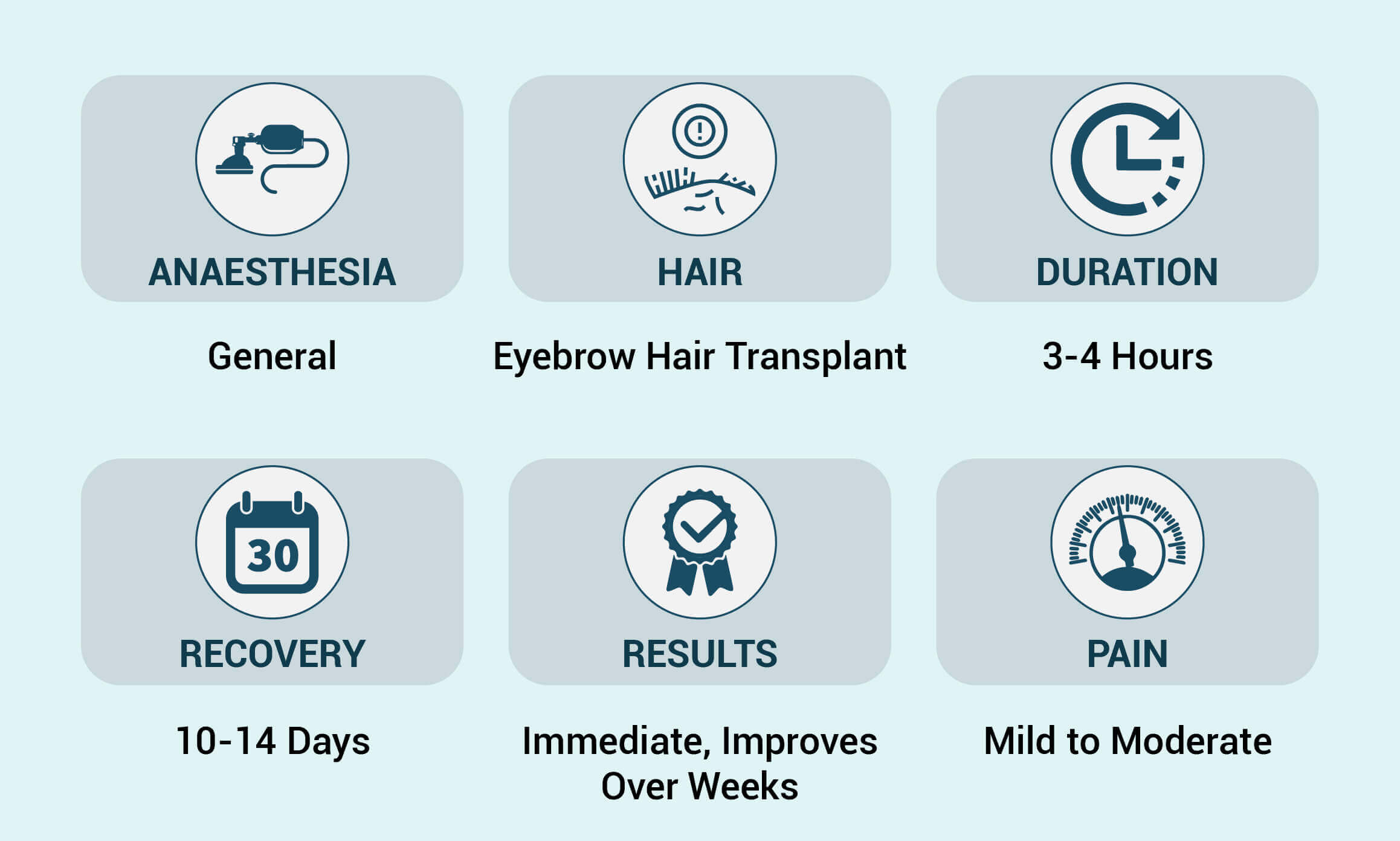
Eyebrow Hair Transplant at a Glance
| Treatment Detail | Information |
|---|---|
| Procedure | Eyebrow Hair Transplant |
| Surgeon | Dr. Vinay Jacob |
| Clinic | The Plastic Surgeons, Bandra West, Mumbai |
| Donor Area | Usually the scalp |
| Technique | Individual follicular hair transplantation |
| Approximate Cost | ₹20,000–₹80,000 range |
| Anaesthesia | Local anaesthesia |
| Procedure Duration | Several hours, depending on the treatment plan |
| Treatment Area | One or both eyebrows |
| Initial Recovery | Initial healing generally takes around 1–2 weeks |
| Hair Growth | Gradual growth over several months |
| Results | Usually assessed over 9–12 months |
The exact procedure, graft requirement, duration and recovery vary according to individual needs and the surgeon's assessment.
Meet Dr. Vinay Jacob – Eyebrow Hair Transplant Surgeon in Mumbai
Eyebrow restoration is not simply about filling empty spaces with hair. It requires an understanding of facial proportions, eyebrow anatomy and the natural direction in which individual hairs grow.
Dr. Vinay Jacob at The Plastic Surgeons, Mumbai, provides consultations for patients considering surgical hair restoration. During the assessment, the existing eyebrow shape, areas of thinning, donor hair availability and the patient's expectations are considered.
The treatment plan should account for:
The natural shape and arch of the eyebrows.
The density of existing eyebrow hair.
The direction and angle of hair growth.
The size and location of areas requiring restoration.
The availability of suitable donor follicles.
The patient's facial proportions and aesthetic preferences.
The objective is to plan eyebrow restoration that looks balanced and suits the individual's facial features.
What Is an Eyebrow Hair Transplant?
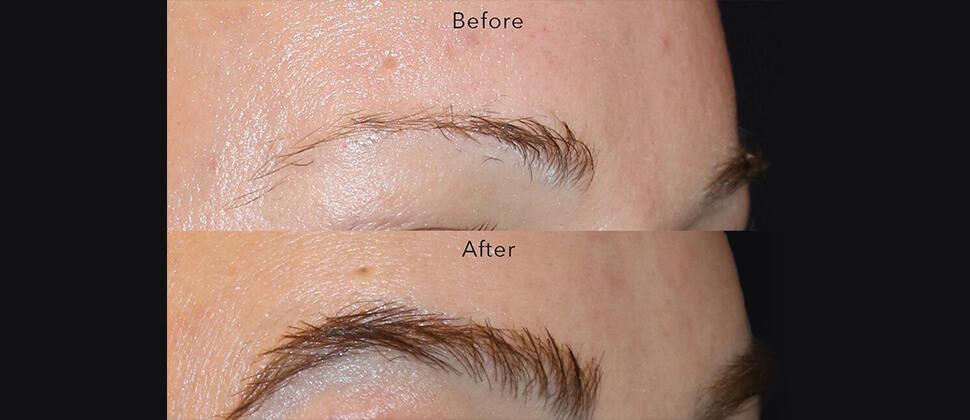
An eyebrow hair transplant is a surgical procedure in which hair follicles are taken from a donor area, usually the scalp, and transplanted into the eyebrow region.
The procedure is commonly considered by people with naturally sparse eyebrows or those who have lost eyebrow hair due to excessive grooming, injuries or certain medical conditions.
Individual follicular units are carefully extracted and prepared before being placed into the eyebrow area. Since eyebrow hairs grow at shallow angles and follow different directions across the brow, graft placement requires particular attention.
Unlike temporary eyebrow enhancement methods, transplantation uses the patient's own hair follicles. Successfully transplanted follicles can continue producing hair, although the growth pattern and maintenance requirements may differ from natural eyebrow hair.
What Causes Eyebrow Hair Loss?
Eyebrow hair can become thin, patchy or absent for several reasons. Identifying the cause is important before considering a transplant, as some conditions may require medical treatment rather than surgery.
1. Over-Plucking and Excessive Grooming
Repeated plucking, waxing or threading may damage eyebrow follicles in some individuals. Over time, this can contribute to sparse areas or difficulty regrowing hair.
2. Age-Related Changes
Eyebrow density and hair growth patterns can change with age. Some people notice thinning or gaps in their eyebrows as they get older.
3. Genetic Factors
Some individuals naturally have thin or uneven eyebrows due to inherited hair characteristics. This may be noticeable from an early age.
4. Medical Conditions
Conditions such as alopecia areata and certain thyroid disorders can contribute to eyebrow hair loss. The pattern and extent of hair loss depend on the underlying condition.
5. Injuries, Burns and Scarring
Trauma, burns, cuts or previous surgical procedures can damage eyebrow follicles and leave areas with reduced or absent hair growth.
6. Skin Conditions
Certain inflammatory or scarring skin conditions can affect the eyebrow region and interfere with normal hair growth.
A medical evaluation is important when eyebrow hair loss is sudden, unexplained or associated with other symptoms. Hair transplantation may not be appropriate while an underlying condition is active.
Who Is an Ideal Candidate for Eyebrow Hair Transplant Surgery?
Eyebrow hair transplantation may be considered by people who want to improve eyebrow density or restore hair in areas where follicles are permanently damaged or absent.
You may be considered for the procedure if you:
Have naturally thin or sparse eyebrows.
Have gaps caused by excessive plucking or grooming.
Have lost eyebrow hair following an injury or burn.
Have selected areas of eyebrow hair loss due to scarring.
Want to improve the appearance of uneven or asymmetrical eyebrows.
Have sufficient healthy donor hair for transplantation.
Have realistic expectations about the results and maintenance.
However, not everyone with eyebrow hair loss is suitable for surgery. People with active alopecia areata, inflammatory skin conditions or certain forms of scarring alopecia may require medical evaluation and treatment first.
A consultation helps determine whether transplantation is appropriate for the cause and pattern of hair loss.
How Is a Natural-Looking Eyebrow Shape Planned?
One of the most important aspects of eyebrow transplantation is designing a shape that complements the patient's face.
Eyebrows are not made up of hair growing in a single direction. Their growth pattern changes across different sections, making careful graft placement essential.
1. Eyebrow Shape
The proposed eyebrow shape should be considered in relation to the patient's facial proportions, existing brow structure and personal preferences.
2. Arch Position
The arch contributes to the overall appearance of the eyebrows. Its position and shape need to be planned according to the individual's facial features.
3. Hair Direction and Angle
Eyebrow hairs generally grow at shallow angles and follow different directions across the inner, middle and outer portions. Transplanted follicles need to be positioned with attention to these patterns.
4. Density and Distribution
The number and distribution of grafts should be planned according to the existing hair and the areas requiring coverage. A uniform placement may not create the most natural appearance.
5. Symmetry and Facial Balance
Both eyebrows should be assessed together. The goal is to create a balanced appearance while respecting the natural differences that may exist between the two sides of the face.
Careful planning helps reduce the risk of an artificial-looking shape or an uneven distribution of hair.
How Is Eyebrow Hair Transplant Surgery Performed?
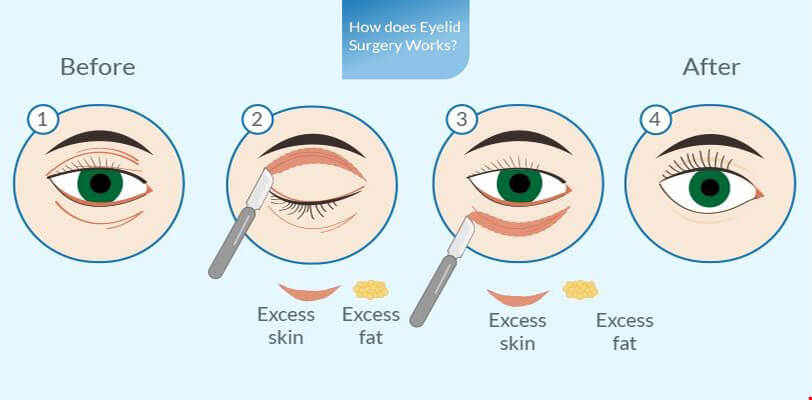
The procedure involves transferring selected hair follicles from a donor area to the eyebrow region. The exact technique and number of grafts depend on the patient's requirements and the surgeon's assessment.
Step 1: Consultation and Eyebrow Assessment
The surgeon evaluates the existing eyebrow shape, density, pattern of hair loss and the areas requiring restoration. The patient's expectations and medical history are also discussed.
Step 2: Donor Area Assessment
The scalp is commonly used as the donor area. The availability, quality and characteristics of suitable hair follicles are assessed before planning extraction.
Step 3: Eyebrow Design
The proposed shape, arch and density are planned. The design should complement the patient's facial proportions and existing eyebrow structure.
Step 4: Local Anaesthesia
Local anaesthesia is generally used to reduce discomfort during the procedure. The donor and recipient areas are prepared according to the treatment plan.
Step 5: Hair Follicle Extraction
Individual hair follicles are extracted from the selected donor area using the chosen extraction technique.
Step 6: Graft Preparation
The extracted follicles are prepared for transplantation. Careful handling is important to protect the grafts before placement.
Step 7: Graft Implantation
The follicles are placed into the eyebrow region according to the planned shape, direction and distribution. Particular attention is given to the natural growth pattern of eyebrow hair.
Step 8: Post-Procedure Instructions
After the procedure, patients receive instructions regarding cleaning, protection of the treated area, medication if prescribed and follow-up appointments.
Advantages of Eyebrow Hair Transplant
For suitable candidates, eyebrow transplantation can offer a long-term approach to restoring hair in sparse or missing areas.
Some potential advantages include:
Uses your own hair: The procedure uses hair follicles taken from the patient's donor area.
Addresses sparse areas: Transplantation can help improve coverage where eyebrow hair is thin or absent.
Customised eyebrow design: The proposed shape and density can be planned according to individual facial features.
Can address selected scars: In appropriate cases, transplantation may improve hair coverage over areas affected by injury or scarring.
Long-term hair growth: Successfully transplanted follicles can continue to grow hair over time.
Reduced dependence on temporary coverage: Patients may rely less on eyebrow pencils or other cosmetic methods to fill certain gaps.
The final outcome depends on graft survival, donor hair characteristics, placement and individual healing.
Eyebrow Hair Transplant Recovery Timeline
Recovery after an eyebrow transplant takes place gradually. Some swelling, redness or tenderness may occur during the initial healing period.
First 1–3 Days
Mild swelling, redness or tenderness may be noticed around the eyebrow and donor areas. Small crusts may form around the implanted follicles.
First Week
The treated area continues to heal. Patients should avoid rubbing, scratching or disturbing the transplanted follicles.
First 1–2 Weeks
Initial healing generally progresses during this period. Small scabs gradually settle, although the timing varies between individuals.
First Few Months
Some transplanted hair shafts may shed. This is a common part of the hair growth cycle after transplantation and does not necessarily mean that the follicles have failed.
Around 3–6 Months
New hair growth may become more noticeable. Growth can be uneven initially, and the appearance continues to develop.
Around 9–12 Months
The transplanted eyebrow hair can be assessed more fully as growth and maturation progress. Some individuals may continue to see changes beyond this period.
Your surgeon will provide instructions based on the procedure performed and your healing progress.
What Results Can You Expect After an Eyebrow Hair Transplant?
The purpose of eyebrow transplantation is to improve the appearance of thin or missing eyebrow hair using transplanted follicles.
Results develop gradually rather than immediately. The initial shedding phase is followed by new growth, and the appearance of the eyebrows changes as the transplanted hairs mature.
The outcome may depend on:
The number and quality of transplanted follicles.
The availability of suitable donor hair.
The existing eyebrow structure.
Graft placement and hair direction.
Individual healing and hair growth.
The underlying cause of eyebrow hair loss.
One important difference between scalp and eyebrow hair is that transplanted scalp hair may continue to grow longer than natural eyebrow hair. Regular trimming may therefore be needed to maintain the desired eyebrow length and shape.
A consultation helps establish realistic expectations regarding density, coverage and long-term maintenance.
Eyebrow Hair Transplant Before and After
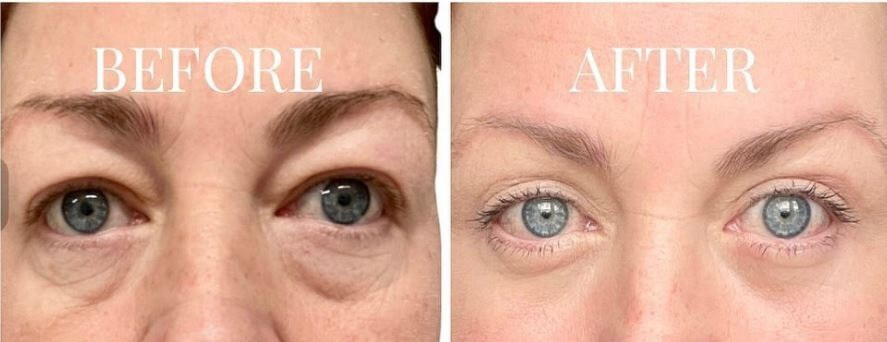
Before-and-after photographs can help patients understand the type of changes that may be possible following eyebrow transplantation.
When reviewing results, it is useful to consider the original eyebrow density, the area treated, the number of grafts used and the time elapsed between the procedure and the after photograph.
At The Plastic Surgeons, genuine patient photographs may be included in the results gallery where available and shared with appropriate consent.
Individual results vary, and photographs should not be interpreted as a guarantee of a particular outcome.
Is Eyebrow Hair Transplant Permanent?
Transplanted hair follicles can continue to grow hair over the long term once they have successfully established themselves in the recipient area.
However, the procedure does not guarantee that every graft will survive or that the eyebrows will remain unchanged throughout life.
Since the transplanted follicles usually come from the scalp, the hair may retain some of its original growth characteristics. This can mean that eyebrow hair requires regular trimming and grooming.
The long-term appearance depends on graft survival, individual hair growth, the underlying cause of hair loss and ongoing care.
Eyebrow Hair Transplant Cost in Mumbai
The cost of eyebrow hair transplant in Mumbai generally ranges from ₹20,000 to ₹80,000,depending on the number of grafts required, the desired eyebrow density and shape, donor hair availability, and the complexity of the procedure.
Unlike scalp hair transplantation, eyebrow restoration requires precise placement of individual hair follicles to recreate the natural direction, angle and growth pattern of eyebrow hair.
Factors Affecting Eyebrow Transplant Cost
Number of grafts required: The extent of eyebrow thinning and the coverage needed influence the total cost.
Desired shape and density: Creating fuller eyebrows or correcting significant gaps may require additional grafts.
Donor hair quality: The availability and suitability of donor hair are considered during treatment planning.
Procedure complexity: Previous injuries, scars or uneven eyebrow growth may require more detailed planning.
At The Plastic Surgeons, the final treatment cost should be confirmed after an individual assessment by Dr. Vinay Jacob. Patients can discuss their desired eyebrow shape, expected results and treatment plan during consultation.
Possible Risks and Complications of Eyebrow Hair Transplant
Like other surgical procedures, eyebrow transplantation has potential risks. Their likelihood can vary depending on the technique used, the patient's health and individual healing.
Possible risks include:
Temporary swelling and bruising.
Redness or tenderness around the treated area.
Infection.
Small scars in the donor area.
Uneven hair growth.
Differences in hair direction or density.
Reduced graft survival.
Unnatural-looking placement or asymmetry.
Temporary shedding of transplanted hair.
Discuss the possible risks and expected results with your surgeon before deciding on surgery. Follow the recommended aftercare instructions and attend follow-up appointments.
Aftercare Following Eyebrow Hair Transplant Surgery
Proper aftercare helps protect the transplanted follicles during the initial healing period.
Your surgeon may provide instructions regarding:
Avoid touching the treated area: Do not rub, scratch or press the eyebrows during early recovery.
Follow cleaning instructions: Clean the treated area only as advised by your surgeon.
Avoid strenuous activity: Follow guidance about exercise and activities that may disturb the treated area.
Protect the eyebrows: Avoid unnecessary pressure or friction around the transplanted follicles.
Take prescribed medication: Use medication only as instructed by your treating doctor.
Attend follow-up visits: Allow the surgeon to assess healing and monitor hair growth.
Avoid applying makeup or eyebrow grooming products to the treated area until your surgeon confirms that it is safe.
Why Choose The Plastic Surgeons for Eyebrow Hair Transplant in Mumbai?
Eyebrow restoration requires a different approach from ordinary scalp hair transplantation. The placement of individual follicles, the shape of the brow and the direction of hair growth all influence the final appearance.
At The Plastic Surgeons, patients can consult Dr. Vinay Jacob to discuss their eyebrow hair loss concerns and understand whether transplantation may be appropriate.
Important aspects of the treatment discussion include:
Assessment of existing eyebrow density and shape.
Evaluation of donor hair availability.
Individualised eyebrow design.
Planning of hair direction and graft distribution.
Discussion of expected results and maintenance.
Guidance regarding recovery and follow-up care.
The aim is to develop a treatment plan based on the patient's facial features, eyebrow structure and restoration goals.
Book an Eyebrow Hair Transplant Consultation in Mumbai
Sparse eyebrows, uneven growth or missing patches can affect the overall appearance of the face. If you are considering a long-term approach to eyebrow restoration, a professional assessment can help you understand the available options.
Consult Dr. Vinay Jacob at The Plastic Surgeons, Bandra West, Mumbai, to discuss your eyebrow hair loss, donor hair availability and suitability for transplantation.
Every patient has different eyebrow restoration requirements. A personalised consultation can help you understand the procedure, expected results, recovery and associated costs before making a decision.
Contact The Plastic Surgeons to schedule your eyebrow hair transplant consultation in Mumbai.
Frequently Asked Questions About Eyebrow Hair Transplant
1. What is an eyebrow hair transplant?
An eyebrow hair transplant is a surgical procedure in which hair follicles, usually taken from the scalp, are transferred to the eyebrow area to improve density or restore missing hair.
2. Who is a suitable candidate for eyebrow transplantation?
People with naturally sparse eyebrows, permanent gaps due to over-plucking or selected areas of hair loss caused by injuries may be suitable. A medical assessment is necessary to determine whether surgery is appropriate.
3. How much does an eyebrow hair transplant cost in Mumbai?
The cost depends on the number of grafts required, the extent of hair loss, donor hair availability and surgical requirements. An individual estimate can be provided after consultation.
4. How many grafts are required for an eyebrow transplant?
The graft requirement varies according to the existing eyebrow density, the size of the areas being treated and whether one or both eyebrows need restoration. The surgeon determines the requirement during assessment.
5. Is an eyebrow transplant permanent?
Successfully transplanted follicles can continue growing hair over the long term. However, results vary, and transplanted scalp hair may require regular trimming to maintain the desired eyebrow shape.
6. How long does it take to see eyebrow transplant results?
Initial shedding may occur during the first few weeks. New growth may become noticeable over the following months, with results generally assessed around 9–12 months.
7. Will transplanted eyebrow hair grow like normal eyebrow hair?
Transplanted hair grows from the transferred follicles, but scalp hair may retain some of its original growth characteristics. It can grow longer than natural eyebrow hair and may require regular trimming.
8. Does eyebrow transplant surgery leave scars?
Small scars may develop in the donor area depending on the extraction technique. Their visibility varies between individuals. Your surgeon can explain the likely scarring associated with the planned procedure.
9. Is eyebrow hair transplant surgery painful?
The procedure is generally performed under local anaesthesia to reduce discomfort. Some tenderness, swelling or soreness may occur after surgery during the initial recovery period.
10. Can eyebrow transplantation correct gaps caused by scars or injuries?
It may be possible in selected cases, depending on the condition of the scar tissue, blood supply and availability of donor follicles. The area needs to be evaluated before surgery.
11. Can both eyebrows be transplanted in one session?
Depending on the patient's requirements and the treatment plan, both eyebrows may be addressed during one procedure. The surgeon determines the appropriate approach after assessment.
12. What is the difference between an eyebrow transplant and an eyebrow lift?
An eyebrow transplant adds hair follicles to improve eyebrow density or restore missing hair. An eyebrow lift is a surgical procedure that changes the position of the eyebrows. They address different concerns and are not interchangeable treatments.
 Call
 WhatsApp